Scoliosis Therapy Dubai: Expert Care to Improve Posture, Reduce Pain, and Restore ConfidenceScoliosis is more than a curved spine—it can affect posture, balance, breathing, mobility, and even self-confidence. While many people associate scoliosis with teenagers, it can develop at any age, including infancy, adulthood, or later in life due to spinal degeneration. The good news …


Scoliosis Therapy Dubai: Expert Care to Improve Posture, Reduce Pain, and Restore Confidence
Scoliosis is more than a curved spine—it can affect posture, balance, breathing, mobility, and even self-confidence. While many people associate scoliosis with teenagers, it can develop at any age, including infancy, adulthood, or later in life due to spinal degeneration. The good news is that early diagnosis and professional Scoliosis Therapy Dubai can help manage the condition, reduce discomfort, and improve quality of life without surgery in many cases.
At PhysioPlus, we understand that every spine is unique. Our personalized rehabilitation programs focus on treating the individual, not just the X-ray. Through evidence-based physiotherapy, posture correction, functional training, and patient education, we help people with scoliosis move more comfortably and confidently.
What Is Scoliosis?
Scoliosis is a three-dimensional spinal condition where the spine curves sideways and may also rotate. Instead of appearing straight when viewed from behind, the spine forms a “C” or “S” shaped curve.
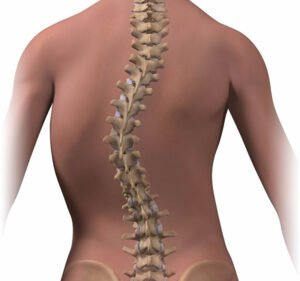
A mild curve may not cause noticeable symptoms, while moderate or severe scoliosis can affect posture, muscle balance, movement, and, in some cases, lung function. Although scoliosis cannot always be completely corrected without surgery, proper physiotherapy can slow progression, reduce pain, improve posture, and strengthen the muscles that support the spine.
What Causes Scoliosis?
There is no single cause of scoliosis. Depending on the patient’s age and medical history, it may develop for different reasons.
The most common types include:
Idiopathic Scoliosis
This is the most common form and accounts for nearly 80% of scoliosis cases. The exact cause remains unknown, although genetics may play a role.
Congenital Scoliosis
This develops before birth when the baby’s spine does not form normally during pregnancy.
Neuromuscular Scoliosis
Children or adults with neurological conditions such as cerebral palsy, muscular dystrophy, or spinal cord disorders may develop scoliosis because of muscle imbalance.
Degenerative Scoliosis
Adults over the age of 50 may develop scoliosis due to arthritis, disc degeneration, osteoporosis, or age-related spinal changes.
Common Symptoms of Scoliosis
Many people are surprised to learn they have scoliosis because symptoms often develop gradually.
Watch for these signs:
Uneven shoulders
One hip higher than the other
Prominent shoulder blade
Back pain
Muscle tightness
Leaning to one side
Difficulty standing for long periods
Uneven waistline
Clothes fitting unevenly
Reduced flexibility
If left untreated, scoliosis may worsen over time, making early Scoliosis Therapy Dubai important.
Who Needs Scoliosis Therapy?
Professional scoliosis therapy can benefit:
Children during growth spurts
Teenagers diagnosed through school screenings
Adults with chronic back pain
Elderly individuals with degenerative scoliosis
Athletes experiencing spinal imbalance
Patients recovering after scoliosis surgery
Individuals with neurological disorders affecting posture
Early physiotherapy can often delay progression and improve long-term spinal health.
How Is Scoliosis Diagnosed?
Diagnosis begins with a comprehensive physical examination. Your physiotherapist or orthopedic specialist may assess:
Posture
Shoulder symmetry
Hip alignment
Walking pattern
Muscle strength
Range of motion
Flexibility
Spinal rotation
If scoliosis is suspected, imaging such as an X-ray may be recommended to measure the Cobb angle, which helps determine the severity of the spinal curve and guides treatment planning.
Our Comprehensive Scoliosis Assessment at PhysioPlus
Every patient receives a detailed evaluation before treatment begins.
Our assessment includes:
Complete medical history
Postural analysis
Spinal alignment assessment
Core muscle evaluation
Flexibility testing
Functional movement assessment
Pain assessment
Daily activity evaluation
Lifestyle and workplace posture review
This allows us to design a treatment plan that addresses the root cause of discomfort rather than simply relieving symptoms.
How Scoliosis Therapy Dubai Helps
Modern Scoliosis Therapy Dubai focuses on improving spinal stability, posture, movement, and muscle balance. Treatment is tailored according to the patient’s age, curve severity, symptoms, and lifestyle.
Our rehabilitation programs may include:
Postural Correction
We teach proper sitting, standing, lifting, and walking techniques to reduce unnecessary stress on the spine.
Scoliosis-Specific Exercises
Targeted exercises strengthen weak muscles, improve spinal alignment, and enhance body awareness. These exercises are selected based on the individual’s curve pattern.
Core Strengthening
A strong core provides better support for the spine and helps improve overall stability.
Manual Therapy
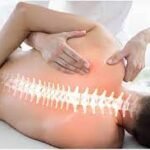
Hands-on techniques may reduce muscle tightness, improve joint mobility, and relieve discomfort associated with scoliosis.
Stretching and Mobility Training
Improving flexibility helps reduce muscle imbalance and enhances movement.
Breathing Exercises
For patients with larger spinal curves, breathing exercises can improve chest expansion and respiratory efficiency.
Functional Training
Patients learn safer movement patterns for work, school, sports, and daily activities, helping them stay active while protecting the spine.
Can Physiotherapy Prevent Surgery?
Not every patient with scoliosis requires surgery. Many people with mild to moderate curves achieve excellent outcomes through consistent physiotherapy, exercise, and regular monitoring.
While physiotherapy cannot completely straighten a structural curve, it can:
Reduce pain
Improve posture
Enhance muscle strength
Increase flexibility
Slow curve progression in some patients
Improve confidence and daily function
If surgery is recommended, physiotherapy also plays an important role before and after the procedure to improve recovery.
Daily Tips for Managing Scoliosis
Living with scoliosis becomes easier when healthy habits are part of your routine.
Helpful strategies include:
Maintain good posture throughout the day.
Stay physically active with guided exercises.
Strengthen your core muscles regularly.
Avoid carrying heavy bags on one shoulder.
Use ergonomic chairs and workstations.
Sleep on a supportive mattress.
Attend regular physiotherapy sessions.
Follow your therapist’s home exercise program.
Consistency is essential for achieving lasting results.
Why Choose PhysioPlus for Scoliosis Therapy Dubai?
At PhysioPlus, we understand that scoliosis affects every individual differently. That is why our approach is personalized, evidence-based, and focused on long-term results.
Our advantages include:
Experienced physiotherapists specializing in spinal rehabilitation
Individualized scoliosis treatment programs
Comprehensive spinal and posture assessments
One-on-one therapy sessions
Advanced rehabilitation techniques
Functional movement and balance training
Patient and family education
Child-friendly and adult-focused care
Continuous progress monitoring
We focus not only on reducing symptoms but also on improving posture, restoring movement, building confidence, and enhancing overall quality of life.
Frequently Asked Questions
Can scoliosis be cured with physiotherapy?
Physiotherapy cannot completely correct a structural scoliosis curve, but it can significantly reduce pain, improve posture, strengthen muscles, and enhance spinal function. Early intervention often provides the best outcomes.
Is scoliosis always painful?
No. Many people with mild scoliosis experience no pain, while others may develop muscle fatigue, stiffness, or discomfort due to spinal imbalance.
How many physiotherapy sessions are required?
The number of sessions depends on the patient’s age, curve severity, symptoms, and treatment goals. After a detailed assessment, your physiotherapist will create a personalized rehabilitation program.
Is exercise safe for scoliosis?
Yes. When prescribed by experienced physiotherapists, scoliosis-specific exercises are safe and highly effective in improving posture, muscle strength, flexibility, and spinal stability.
Start Your Journey Toward Better Spinal Health
Scoliosis does not have to limit your lifestyle or confidence. With early diagnosis, personalized rehabilitation, and expert physiotherapy, many individuals successfully manage their condition and continue to enjoy active, independent lives.
If you or your child has been diagnosed with scoliosis or is experiencing uneven posture, spinal discomfort, or persistent back pain, PhysioPlus is here to help. Our expert team provides personalized Scoliosis Therapy Dubai using evidence-based techniques that focus on long-term spinal health. Through comprehensive assessment, advanced rehabilitation, and compassionate care, we help every patient improve posture, reduce pain, regain confidence, and return to a healthier, more active life.